Why garage door maintenance matters before the San Antonio freeze
San Antonio's average first freeze lands around the end of November, and the weeks before it are when a year of garage door neglect shows up. The door is the biggest moving part of the house and usually the least maintained one: it cycles hundreds of times a year under direct Texas sun in summer and cold north wind in winter, while the springs, cables, and rollers hold the weight of the door in tension on every single cycle.
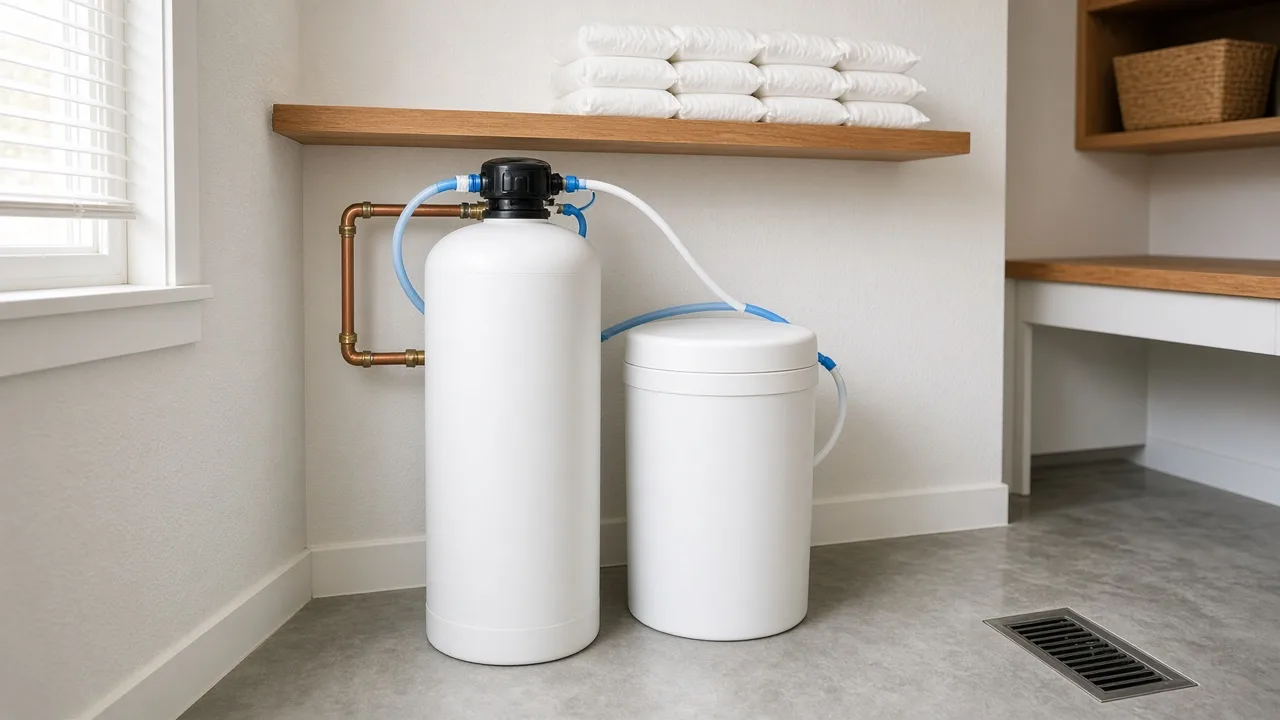
- The garage is where many San Antonio homes keep the pipes that freeze first: water heaters, softeners, and hose bibs on the interior wall. When the door quits in a freeze, those pipes stay exposed even longer
- Hill Country dust and cedar pollen, the same grit that coats a truck parked in Spring Branch or Bulverde all week, settles into the tracks and grinds the rollers down
- Texas summer heat bakes the grease out of bearings and hardens the rubber bottom seal until it cracks and lets in wind, rain, and an occasional critter
- A door that slams, rattles, or strains on its way up is working against something, and every cycle makes the next one worse
- The good news is that most garage door problems start as small, cheap fixes, and a half hour of preventive maintenance twice a year, before the freeze and before the summer heat, is how San Antonio homeowners avoid the classic repair that never has to happen
The two-minute garage door safety test every homeowner should run
The single most important garage door check takes two minutes, costs nothing, and is the one test that can prevent a real injury. Garage door openers sold in the United States have been required to reverse the door when it hits an obstruction for decades, and that mechanism wears out and fails over time. Test it once a month, and definitely before the holiday crowd arrives: children and pets are the ones most at risk when a door stops reversing.
- Lay a 2 by 4 board or a rolled-up towel flat in the center of the door's path and close the door; it should stop and reverse as soon as it touches the obstruction
- If the door keeps pushing through the board without reversing, the force or travel limits need adjustment, and that is a quick, safe fix for a handyman
- Check the photo-eye sensors near the floor on both sides of the door: a blinking light, a sensor knocked out of line by a box or a bumper, or a lens coated in dust is the most common reason a door will not close at all
- Pull the red manual release handle and lift the door by hand: it should move smoothly and stay put at any height, which is the balance test in one motion
- Never disable a safety feature just to get the door closed today: a door that will not reverse is a hidden hazard the instant a child or pet runs under it
San Antonio garage door maintenance: what the routine care actually is
The maintenance that keeps a garage door quiet and reliable is simple, but the details matter. Ask for Chris sees doors every week that were maintained with the wrong product, usually a can of spray solvent aimed at the tracks, which dries out in a few days and leaves a film that grabs even more dust. Proper care means the right lubricant on the right parts, clean tracks, tight hardware, and healthy seals.
- Lubricate the rollers, hinges, and bearing plates with a silicone-based or garage-door-specific lubricant, one light coat, and wipe away the excess
- Keep the tracks clean with a dry cloth or a degreaser, and never grease the tracks: grease collects dust and turns the track into the sandpaper that wears out rollers
- Tighten the hardware a year of vibration works loose: the hinge bolts, the bracket bolts, and the bolts on the opener rail and its mounting brackets
- Inspect the rollers for chips, flat spots, and wobble; nylon rollers on older Texas doors can crack in the heat and need to be replaced
- Check the bottom weather seal: when it is cracked, flattened, or dragging, a new seal blocks wind, rain, and critters and stops the draft that makes the garage the coldest room in the house
- Clean the photo-eye lenses, square up their brackets, and if the opener has a backup battery, replace it before the winter power blinks
What a handyman repairs on a garage door, and when to call a specialist
Garage door work splits into two buckets, and an honest handyman in San Antonio tells you which side a job falls on before touching anything. The routine maintenance and the parts a handyman services every week cover most of what goes wrong with a door. The high-tension components, the springs and cables that store the door's lifting force, belong to a garage door specialist, full stop.
- Handyman territory: lubricating and adjusting rollers and hinges, replacing worn rollers, tightening hardware, aligning the photo-eye sensors, adjusting the force and travel limits, replacing the bottom seal and side weatherstripping, and the small stuff such as sticky remotes and dead keypads
- Specialist territory: the torsion springs, extension springs, and steel cables under tension, which store enough energy to snap with real force if handled wrong
- Specialist territory: full door replacement, matching a damaged panel, and opener motors or circuit boards that need the manufacturer's own service
- The honest middle: when a door shakes on the way up, a track is visibly out of line, or the opener strains on every cycle, a handyman can diagnose the cause and tell you plainly whether it is an adjustment or a spring replacement, and who should do it
- Track adjustments and safety checks are part of the maintenance side of the job, and catching a worn roller or a cracked seal before the spring fails is what turns a weekend surprise into a routine service call
Garage door questions San Antonio homeowners ask
- Why is my garage door not closing all the way?
- In most San Antonio homes the answer is the same: the photo-eye sensors near the floor are out of alignment, blocked, or dusty. The door closes a few inches and reverses because it thinks something is in the way. Clean the lenses, straighten the brackets if a bumper or a box nudged them, and confirm the indicator lights on both sensors are steady. If the door still will not close, the travel or force limits may need a careful adjustment.
- Can I lubricate my garage door tracks with WD-40 or grease?
- Neither one. WD-40 is a solvent, not a lubricant, and it dries out in a few days, while grease on the tracks grabs dust and turns the track into sandpaper that wears out the rollers and overworks the opener. Use a silicone-based or garage-door-specific lubricant on the rollers, hinges, and bearing plates, wipe off the excess, and leave the tracks clean. That is the maintenance that actually lasts.
- Why is my garage door suddenly so loud?
- Noise almost always means friction: dried-out bearings in the rollers, a chain that needs a proper lube, or hardware vibrating loose. A door that got loud all at once may also be binding in the tracks or straining against a tired spring, which is worth an honest look before the noise becomes a failure. The majority of loud doors quiet back down with a half hour of the right maintenance.
- Is it safe to replace the garage door springs myself?
- No, and it is the one garage door job a good handyman will never upsell you into doing yourself. The springs and cables hold the door's tension, and when a spring lets go, the cable or the spring itself can whip across the garage with enough force to cause serious injury. Spring replacement belongs to a garage door specialist. Rolling lubrication, seals, sensors, and rollers are the everyday work, and that is where Ask for Chris earns the call.
- Does my garage door really need maintenance if it still works fine?
- Yes, and a working door is exactly the right time to do it. San Antonio heat, humidity, and freeze cycles age garage doors fast, and the failure is rarely sudden: rollers wear, seals crack, and sensors drift for months before the door gives up on the hottest or coldest day of the year. Twice-a-year maintenance, before the freeze and before the heat, costs a fraction of a spring or opener failure at the worst possible moment.
Garage Door Maintenance and Repair in San Antonio with Ask for Chris
From a Stone Oak home whose door has not been lubricated since it was installed and a Fair Oaks Ranch door that slams at the end of every cycle to a Canyon Lake cabin whose bottom seal lets in the Hill Country wind, Ask for Chris handles garage door maintenance and repair across San Antonio and the surrounding areas: Bulverde, Boerne, New Braunfels, Spring Branch, Helotes, Schertz, and the Texas Hill Country. Every visit starts with the safety test, works through rollers, hinges, seals, and sensors, and ends with a door that closes and reverses the way it should. If you have been searching for a handyman near me in San Antonio, or handyman services San Antonio homeowners trust for home repairs done right the first time, one call covers the list. Call (210) 951-9357 or email help@askforchris.com, available 24 hours a day.
Tip: run the two-minute auto-reverse test once a month, and tie it to the calendar in November before the first freeze and again before the summer heat. A 2 by 4 or a rolled towel on the floor is all it takes, and a door that reverses today is a door that never finds a child, a pet, or a parked car.